In a world that often measures success by numbers, influence, and visibility, it’s easy to assume that a thriving ministry must be large, famous, or rapidly growing. But Scripture presents a very different measure of success. According to the Bible, the true mark of a servant of God is faithfulness.
As I reflect on more than four decades connected to Discovery Baptist Church, I’m reminded of what faithfulness in ministry really looks like. The story of this church has deeply shaped my own understanding of ministry. It has shown me that long-term spiritual impact is rarely built through trends or strategies—it is built through consistent obedience to God.
Check out The Gospel Today Podcast on youtube.

A Church That Shaped My Life
Discovery Baptist Church began in 1980 when my father, Pastor Mark Suko, planted the church. I was three years old at the time, and although I don’t remember the very first service, I was there.
My earliest memories are tied to that church.
We met in an old rented building, and the children’s Sunday school classes were held in the basement. Sometimes the basement was damp, and I even remember finding frogs down there. It certainly wasn’t an impressive facility, but God used that place in powerful ways.
 Discovery Baptist was where my own spiritual life began to take shape. It was where I came to faith in Christ as a young child, and where I began to understand what healthy church ministry looks like.
As I grew older, I had the opportunity to become involved in the youth group. Every once in a while, the youth group would lead the evening service, and one time, they needed someone to preach.
They decided it should be me.
I was only 14 years old and had no idea what I was doing. My first sermon probably lasted about five minutes, but I still remember the passage. I preached from Exodus on Aaron and the golden calf—how Aaron gave in to the crowd’s pressure while Moses remained faithful to God.
Looking back, that theme reflects something essential about the church where I grew up: faithfulness to God rather than giving in to peer pressure.

God’s Definition of Success
Today, many churches feel pressure to grow quickly or build large platforms. But Discovery Baptist always approached ministry differently.
The goal was never to become a mega church or to create a large public influence. Instead, the leadership focused on something much more important: faithfulness to God’s calling.
God does not measure success the way we often do.
He doesn’t evaluate our ministry primarily by numbers, attendance, or influence. Instead, He evaluates us by our faithfulness.
Jesus said, “Well done, good and faithful servant.”
That verse has always been a reminder to me that God doesn’t require us to be impressive. He requires us to be faithful.
For more than forty years, Discovery Baptist demonstrated that principle through steady, biblical ministry.

My Dad, Pastor Mark Suko c. 1980
A Commitment to God’s Word
One of the defining features of the church was its commitment to clear, biblical teaching.
Most of the preaching followed an expository approach, carefully working through passages of Scripture and explaining their meaning. I believe this is one of the most helpful ways to teach God’s Word because it allows the text itself to guide the message.
But over the years I’ve also learned something important: good preaching alone isn’t enough.
You can have strong biblical teaching, but if the attitudes and relationships in the church are unhealthy, spiritual growth will still be limited.
Healthy ministry requires both biblical truth and the right pastoral approach.
At Discovery Baptist, I saw both.

My dad, Mark Suko, in his study c. 1990
Valuing Every Person
One thing I noticed growing up was how much the church valued individuals.
Whether three people showed up or five hundred, the ministry stayed the same. The teaching, care, and attitude were the same.
Everyone mattered.
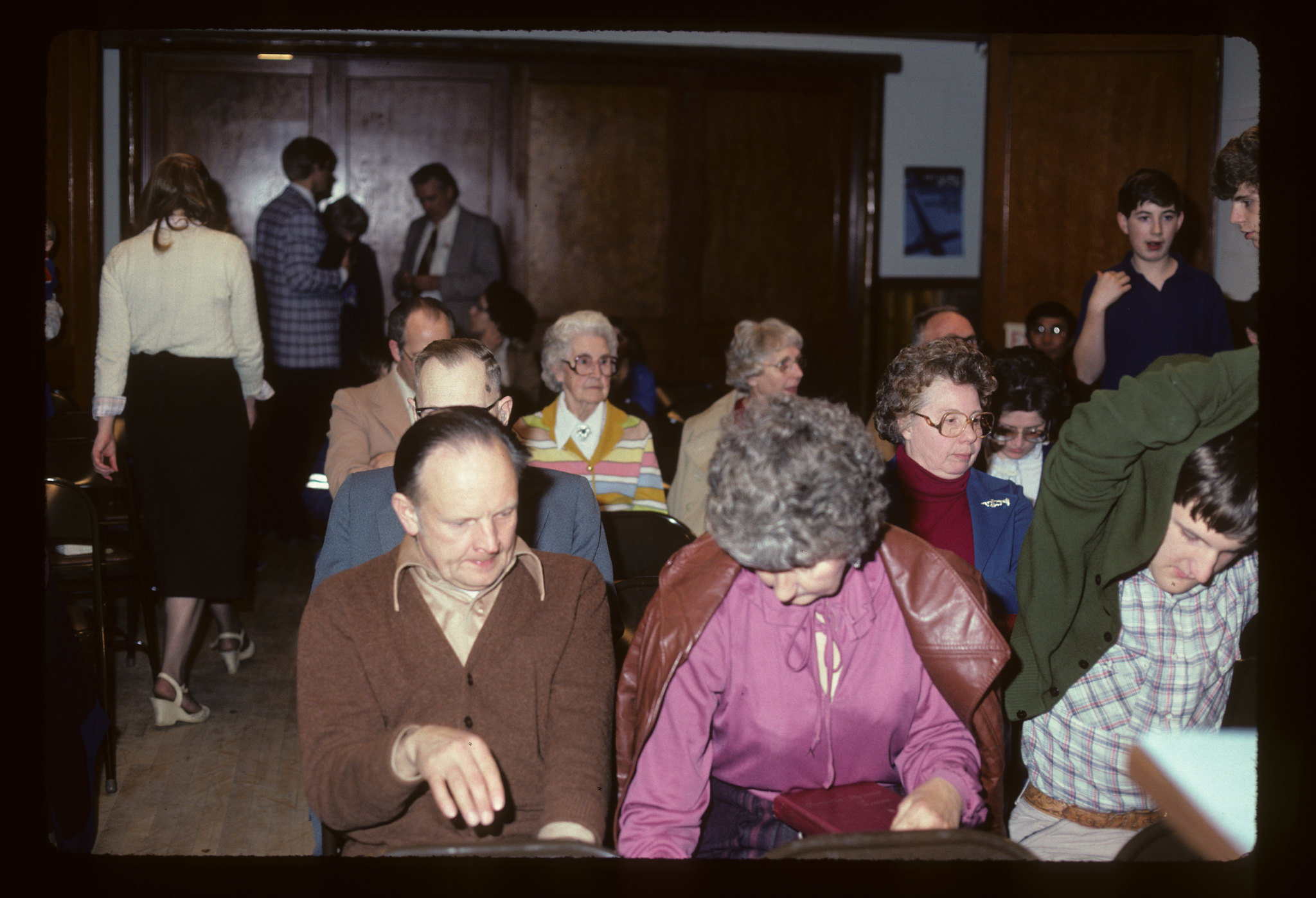
One person who stood out to me was a man named Darren Livingston.
Darren began attending the church when he was around 18 years old and continued coming for nearly forty years. Darren had Down syndrome and lived with significant intellectual disabilities, but he found a place in the church where he was genuinely loved and cared for.
What I saw growing up was that it didn’t matter who you were—a well-known evangelist, a business professional, a single mother, or someone like Darren. Everyone was treated with the same dignity and care.
That kind of environment creates what I like to think of as healthy spiritual soil.
You can give people all the Bible teaching in the world, but if the relational soil of the church is unhealthy, it becomes much harder for spiritual growth to happen. At Discovery, the soil was healthy because people genuinely cared for one another.
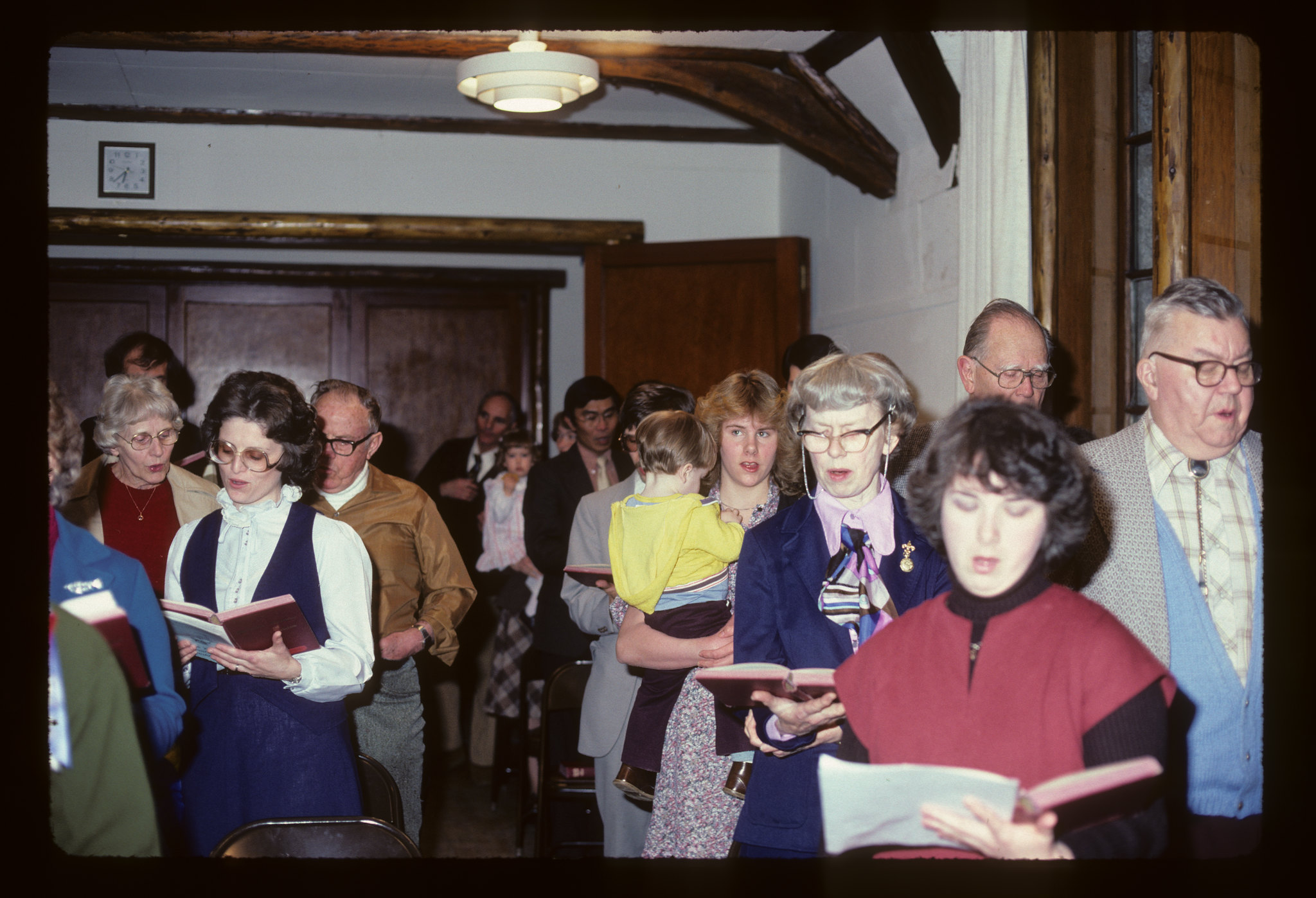
Leadership with a Shepherd’s Heart
Another lesson that shaped me deeply was the leadership style I observed. The model of leadership was not authority or control—it was shepherding.
When I began studying in seminary, my father created an opportunity for seminarians to sit in on the church board meetings. For about five years, I attended those meetings and what I saw taught me practically what I could not learn in seminary.
Whenever difficult or controversial issues were discussed, my father never spoke first. Instead, he would quietly listen as everyone around the table shared their thoughts. Sometimes it would take an hour or more for the discussion to come back to him. Then he would say just a few words. They were words of quiet wisdom. No matter the issue he always had a gentle way to bring everyone together and needed clarity and untity to the board.
At first, I thought he should speak earlier and take control of the discussion. But over time, I realized that what I was witnessing was humility. True shepherd leadership listens first, responds carefully, and is always more concerned for the flock than for personal ambition.
A shepherd understands that you cannot force sheep to go where they do not want to go. Instead, they must be guided by the shepherd’s voice.

The Model of the Good Shepherd
Jesus describes Himself in John 10 as the Good Shepherd who lays down His life for the sheep. That passage has always shaped my understanding of ministry. A shepherd knows the people he serves. He listens to them. He bears their burdens. He serves them sacrificially. Shepherd leadership is gentle and humble.
Another thing I noticed about the leadership at Discovery was that they were approachable. People knew they could talk with their pastors and elders at any time about anything. That openness created trust, and trust helped build strong relationships within the church.
A Needed Reminder for Today
Today, we live in a church culture that is often driven more by views, influence, and the number of followers you have on social media. However, the story of Discovery Baptist Church reminds me of something important. God does not ask or require us to become influencers to succeed in His eyes. Sometimes He blesses ministries with growth, and when He does, we should thank Him for it. But growth is not the ultimate goal. Faithfulness is!
Whether God calls us to serve one person, five people, or five hundred, our responsibility is the same: faithfully do what He has called us to do.
And if we do that, one day we will hear the words that matter most:
“Well done, good and faithful servant.”